How to identify it
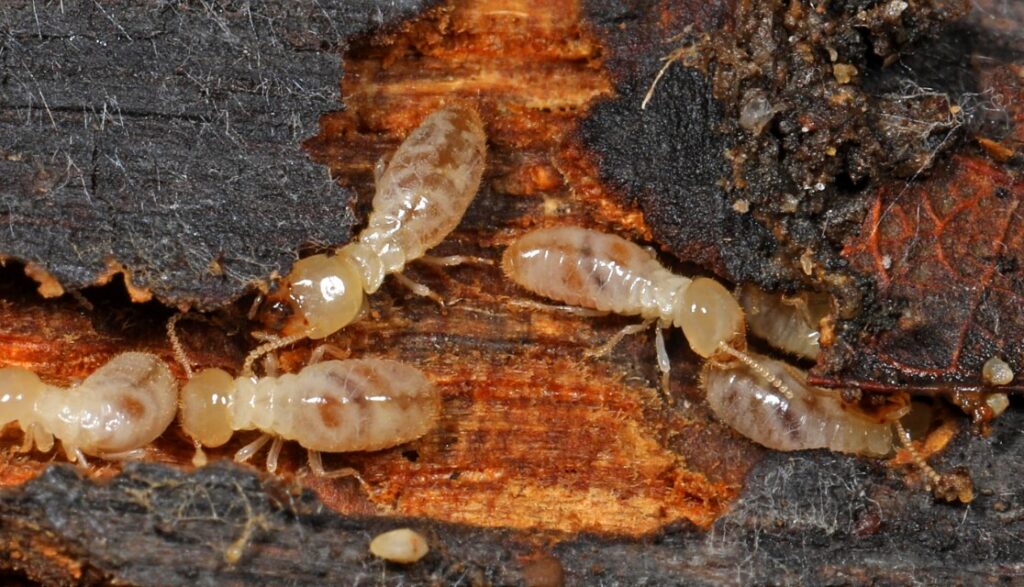
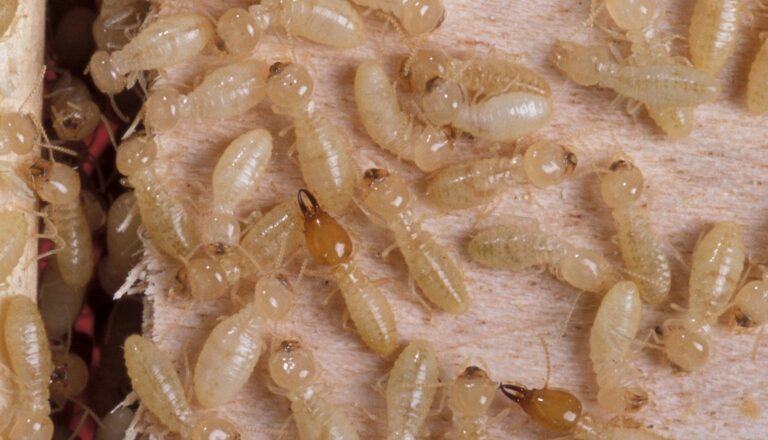
Eastern subterranean termites live in large colonies in the soil and are rarely seen in the open. A colony has three types of termites: workers about 1/8 inch (3 mm) long that are soft-bodied and creamy white; soldiers with larger, rectangular yellowish-brown heads and dark jaws; and winged swarmers that are dark brown to black and about 3/8 inch (10 mm) long including the wings.
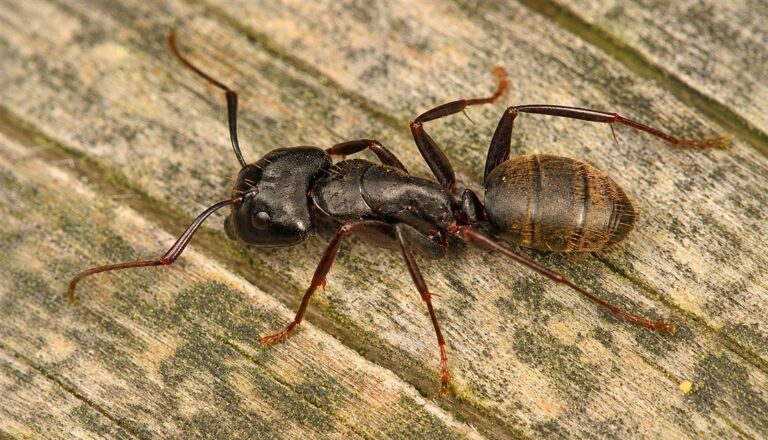
- Straight, bead-like antennae and a thick waist, unlike the pinched waist and elbowed antennae of ants.
- Swarmers have two pairs of wings of equal length that reach well past the end of the body and break off easily.
- Workers avoid light and are usually found inside mud tubes, soil or damaged wood rather than out in the open.
Signs of activity
Common indicators around a home:
- Mud tubes on foundations or crawlspace walls
- Discarded wings near windows or doors
- Damaged or hollow-sounding wood
- Swarms of winged insects indoors, most often on warm days in late winter and spring
Potential concerns
Eastern subterranean termites do not bite people or spread disease. The main concern is damage to wood, which can build up for years before it is noticed.
- Over time, feeding can weaken structural wood such as sill plates, floor joists, subfloors and door or window frames.
- They also feed on other cellulose materials, such as paper and cardboard stored in damp areas.
- Many homeowner insurance policies do not cover termite damage, so finding activity early matters.
Prevention tips
Practical steps homeowners can take:
- Reduce moisture around the foundation: fix leaks, clean gutters and point downspouts away from the house.
- Keep wood-to-soil contact to a minimum; siding, decks and wood trim should sit at least 6 inches above the soil.
- Store firewood and lumber away from the house and keep mulch thin next to the foundation.
- Keep crawl spaces dry and well ventilated.
- Schedule periodic inspections, especially before buying or renovating a home.
When to call a professional
If you find mud tubes, see swarmers indoors or notice damaged wood, call a professional instead of treating it yourself. Store-bought sprays only kill the termites you can see and do not reach the colony in the soil. A Pest Genie inspection checks the foundation, crawl space, attic and any areas where wood touches soil, confirms which termite is active, and recommends a treatment and monitoring plan for your property.