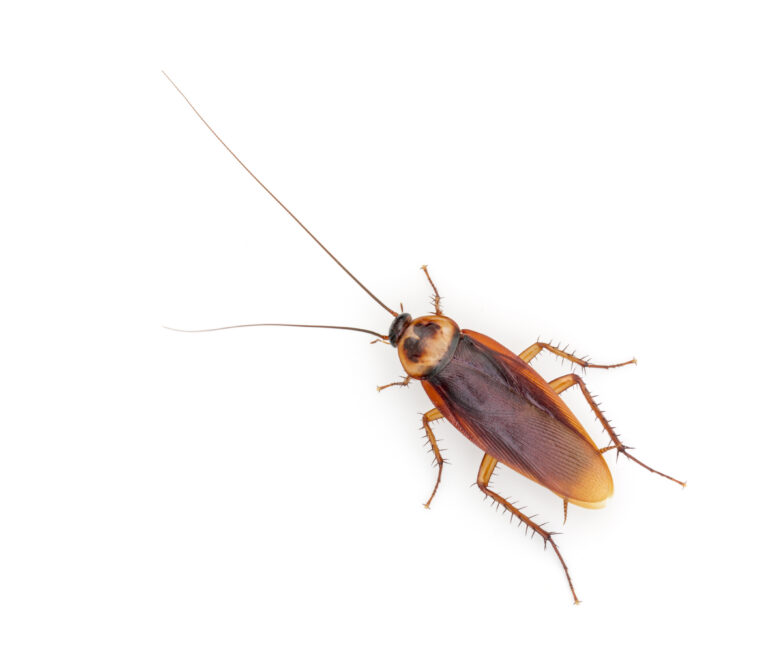
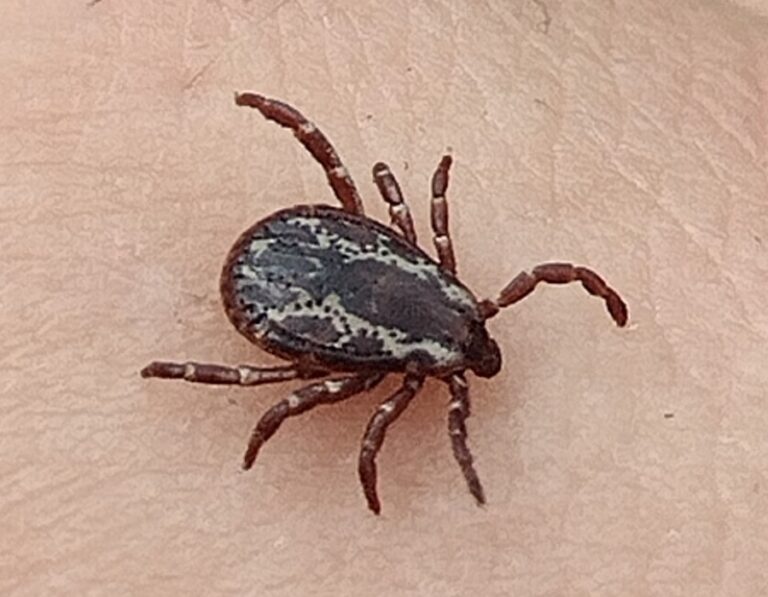
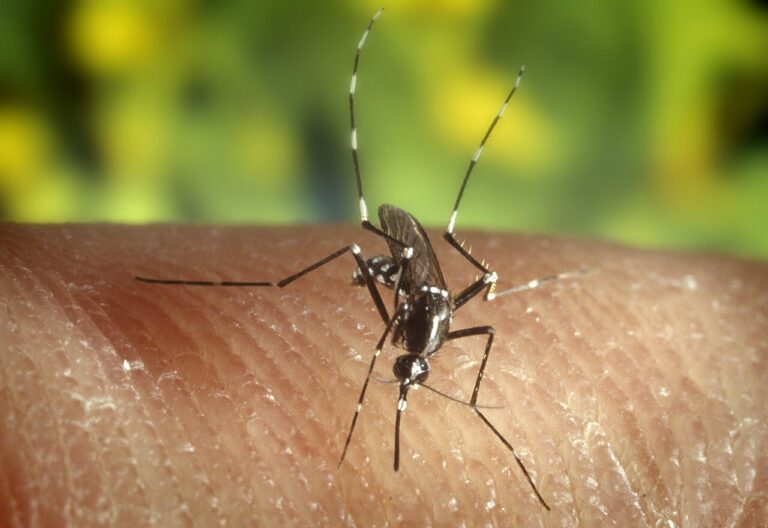
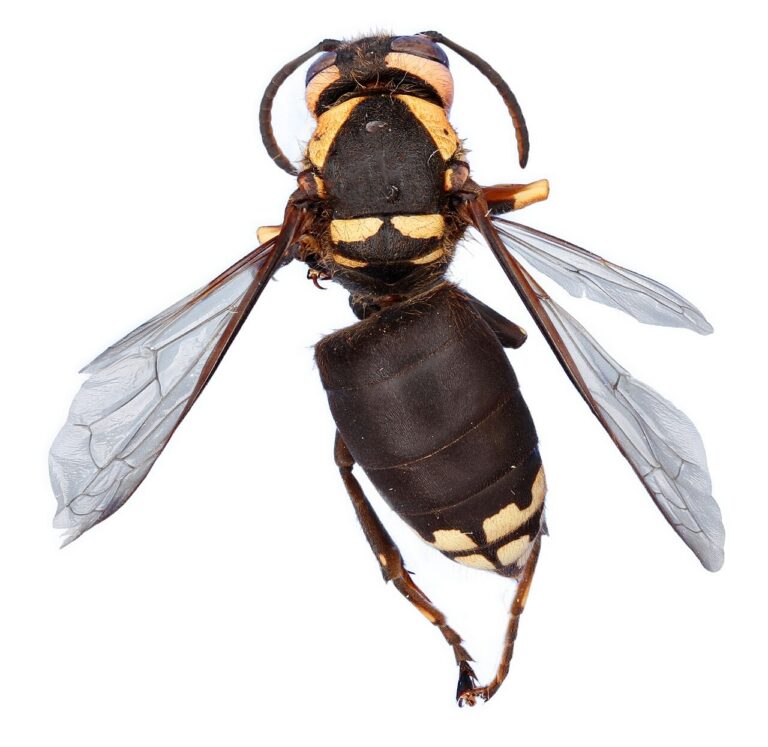
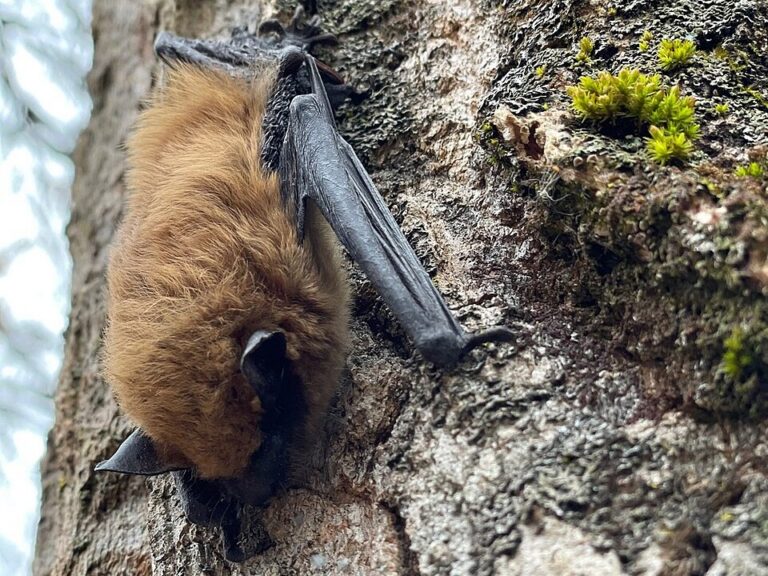
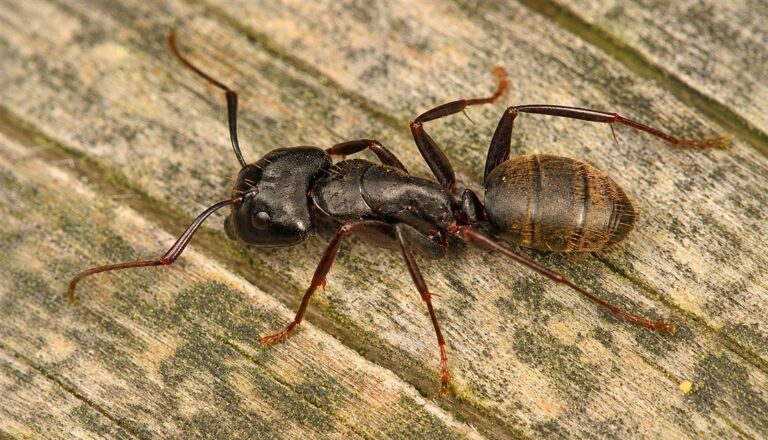
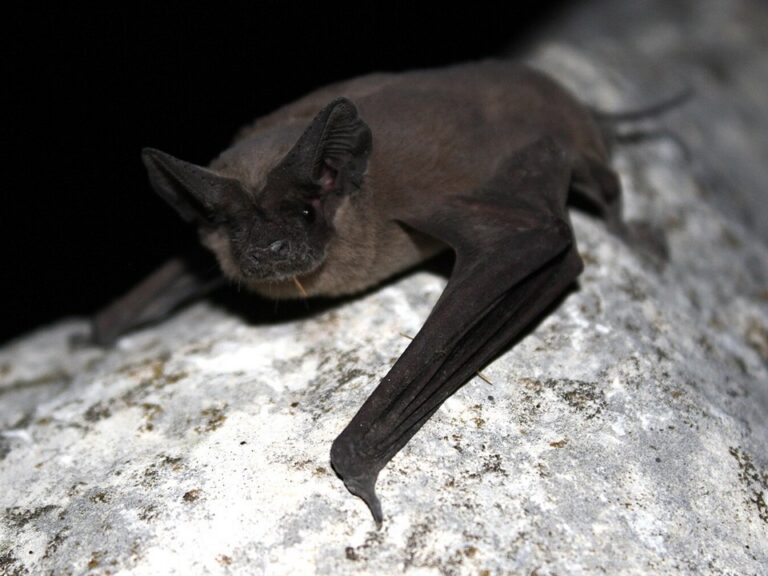
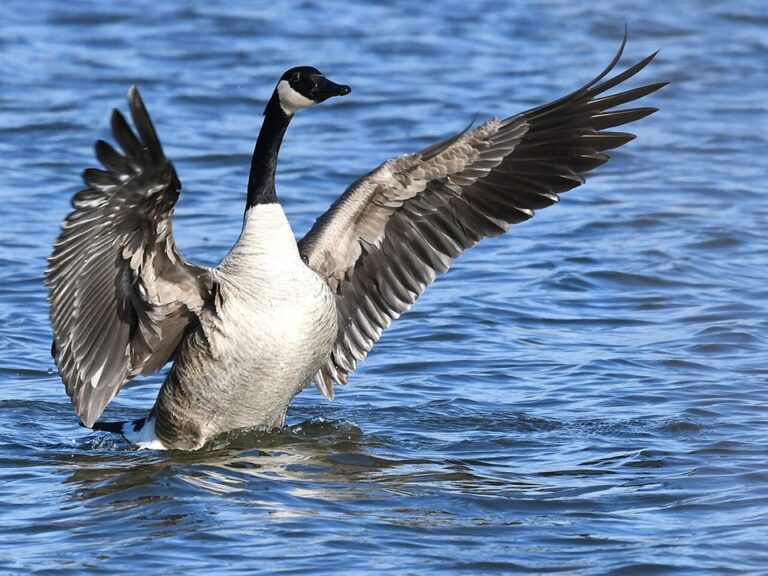
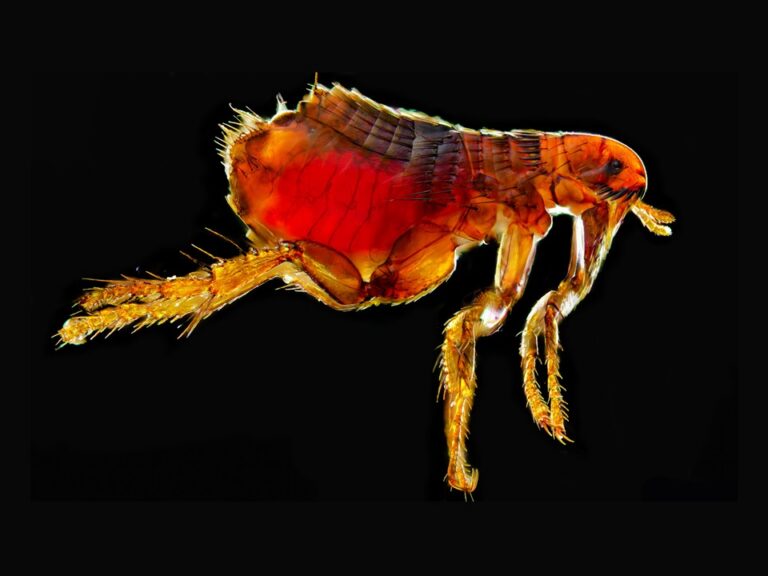
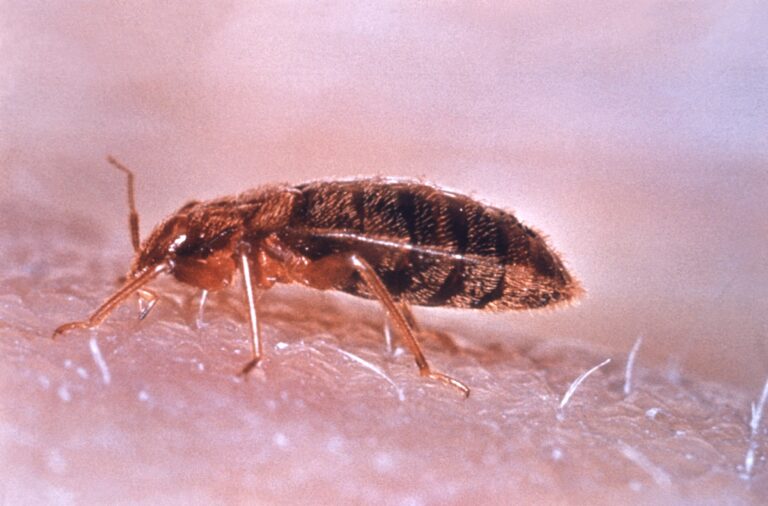
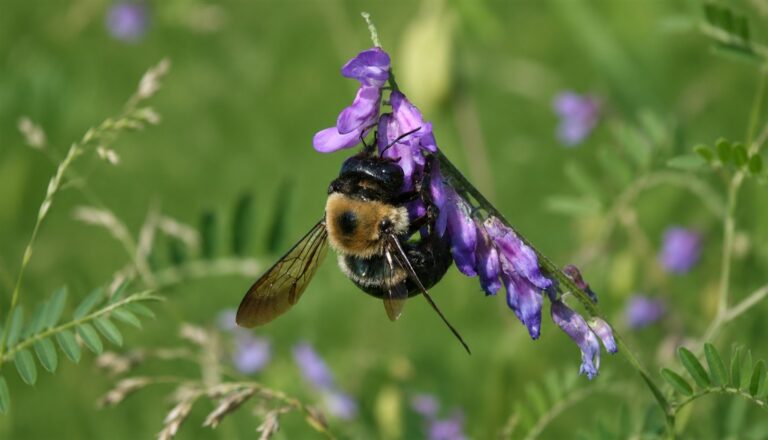
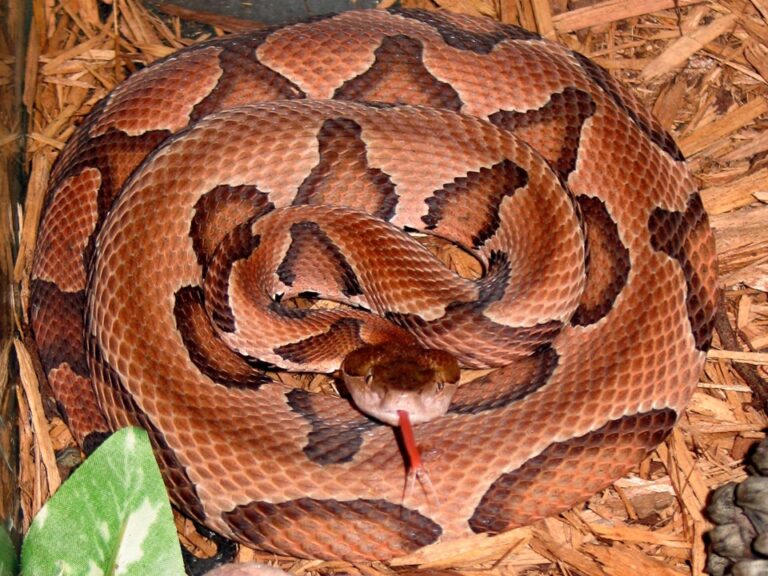
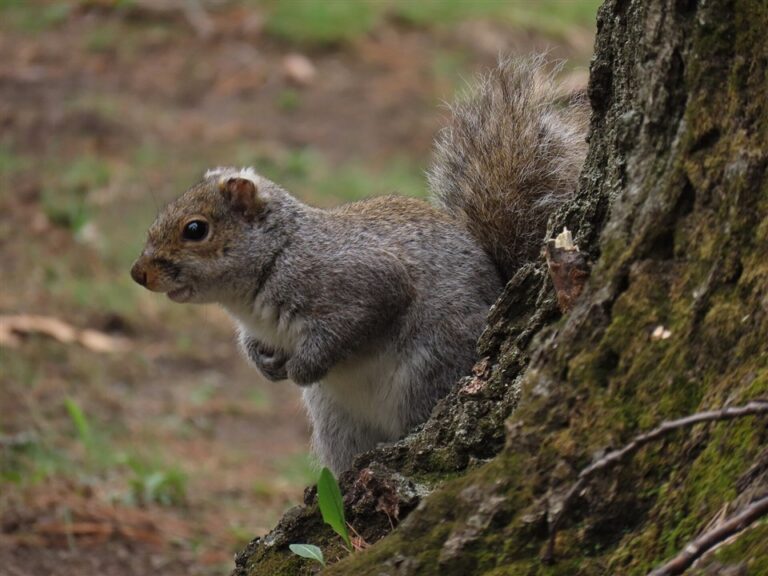
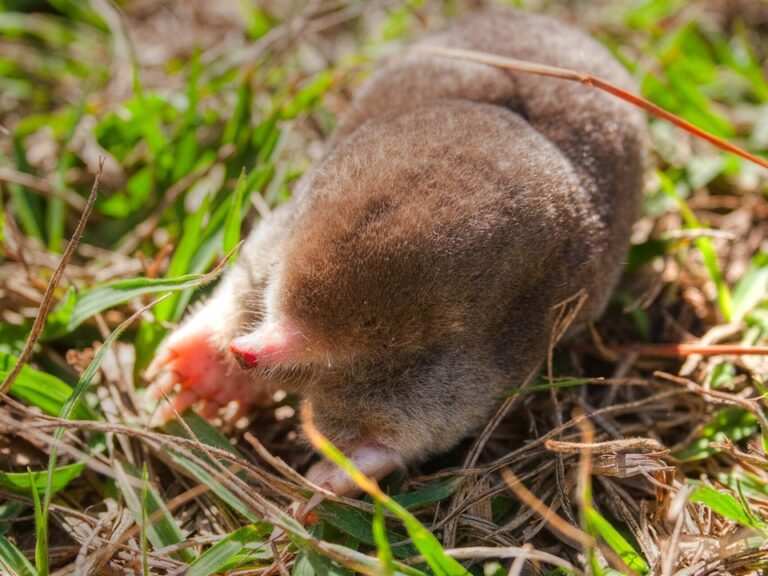
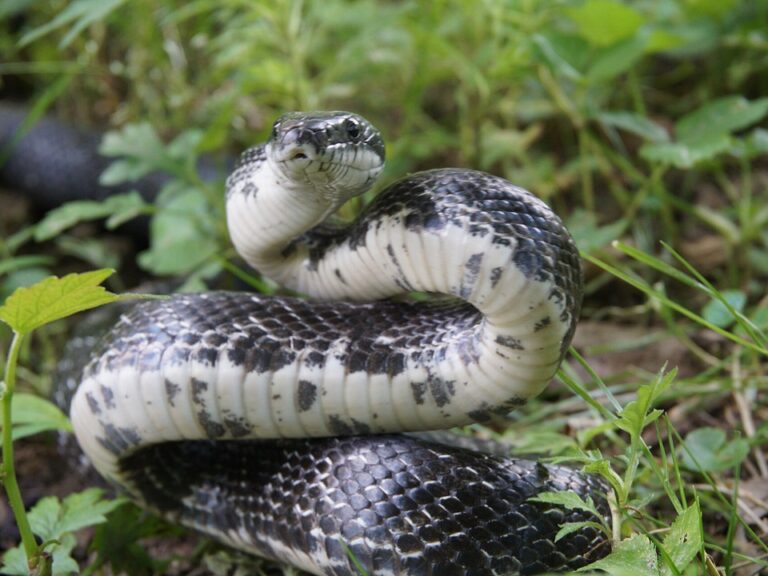
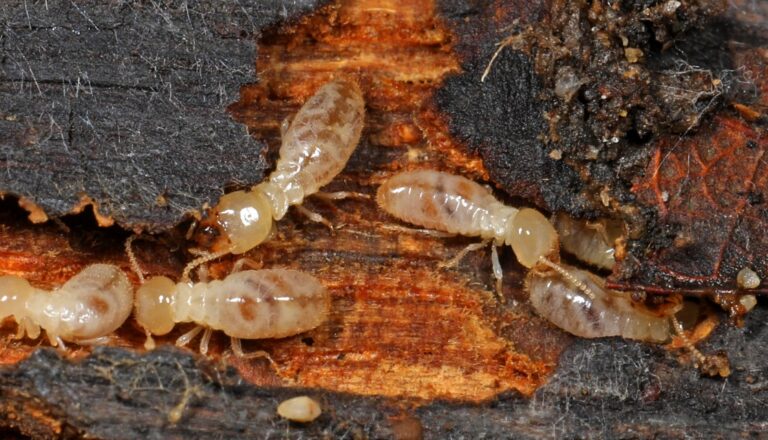
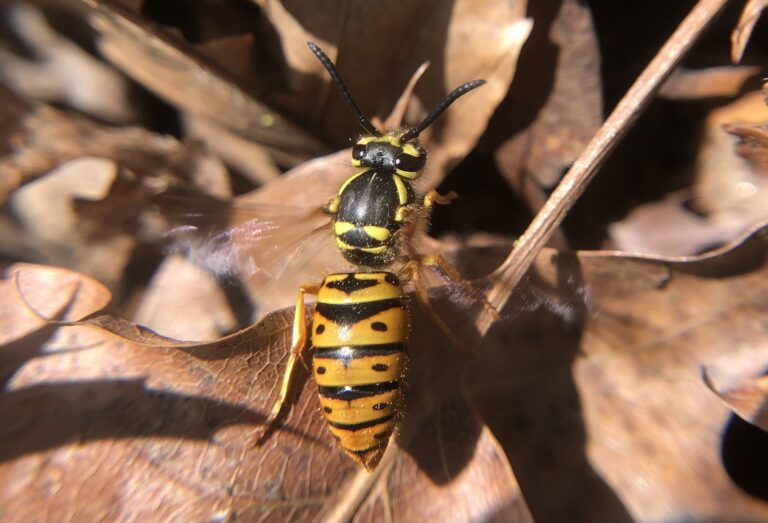
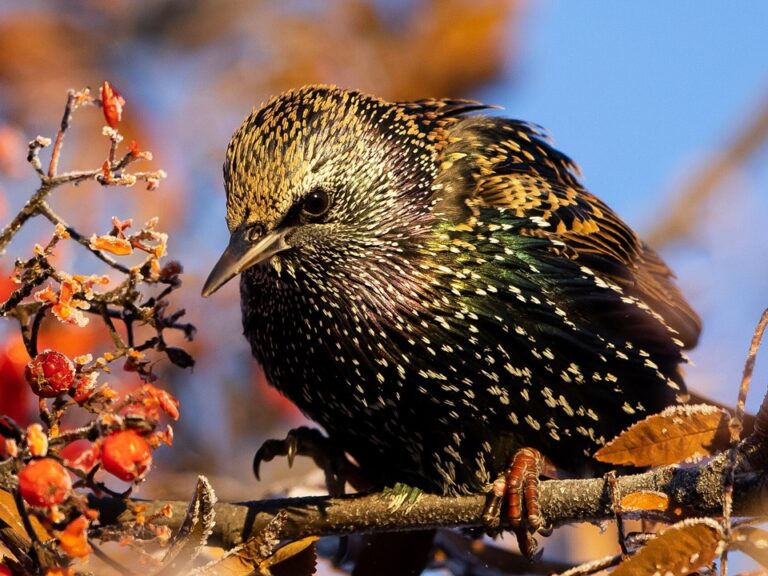
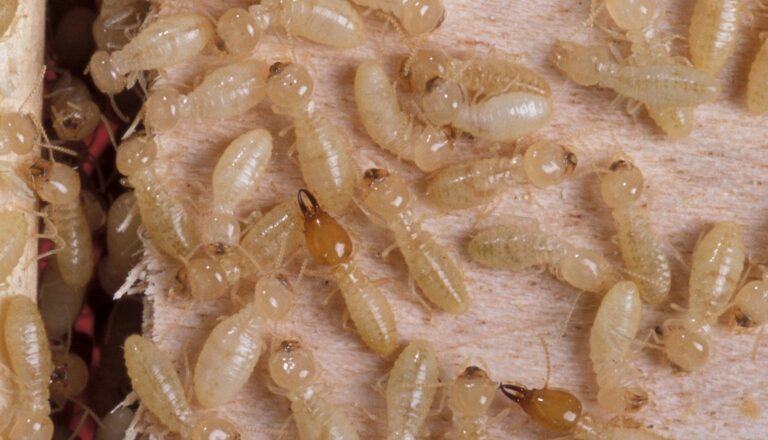
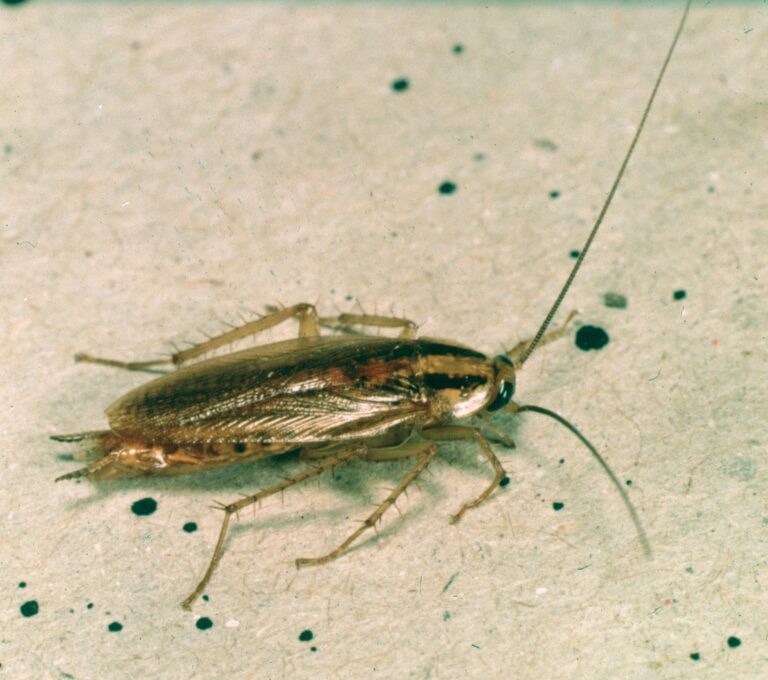
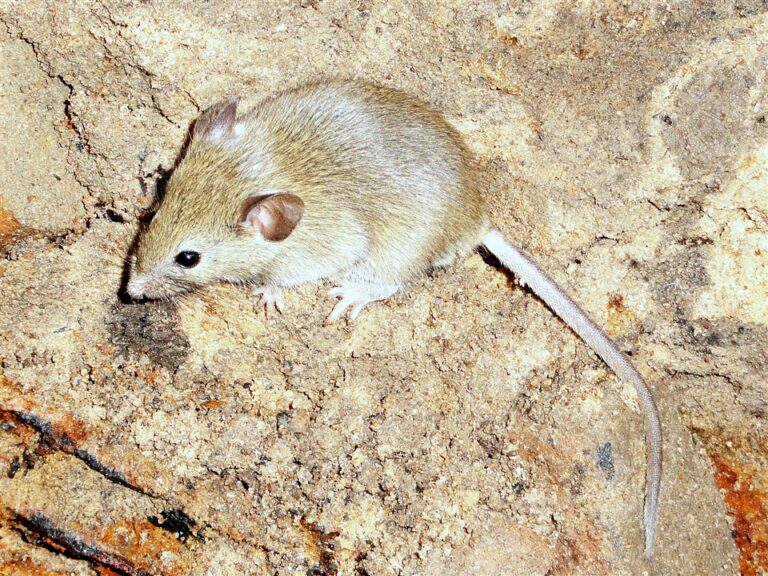
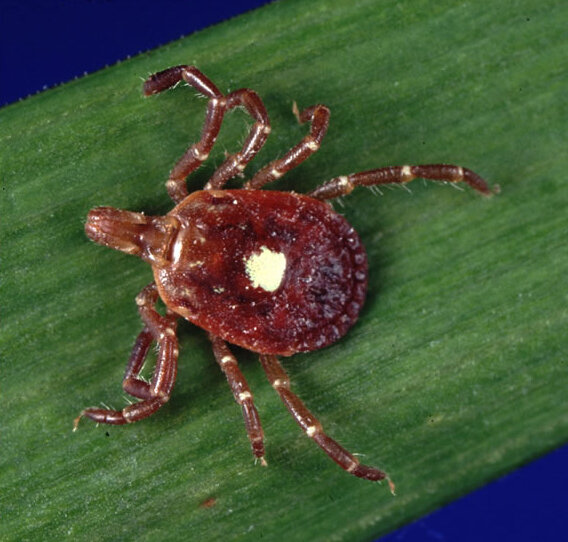
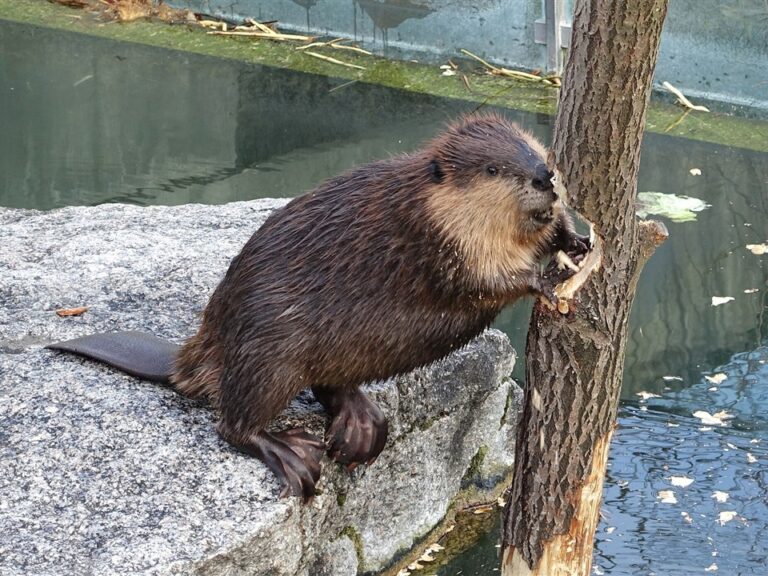
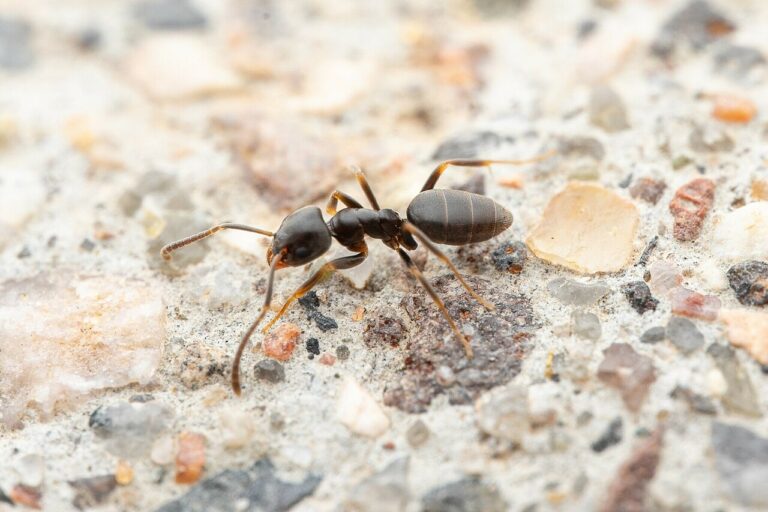
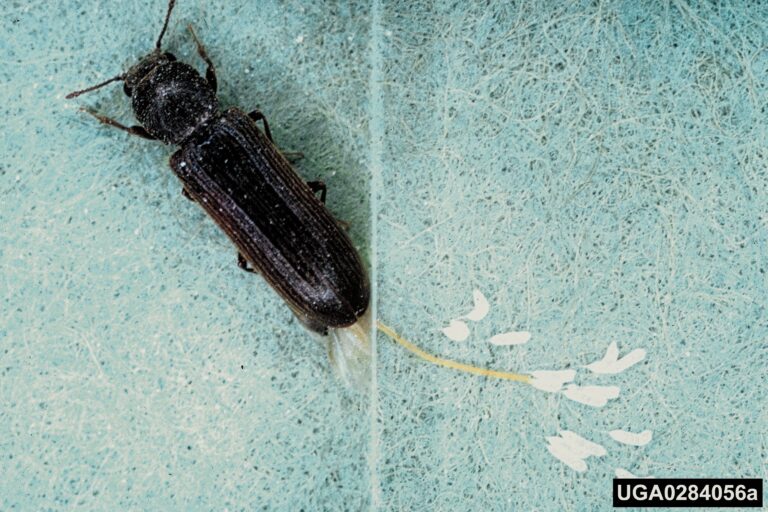
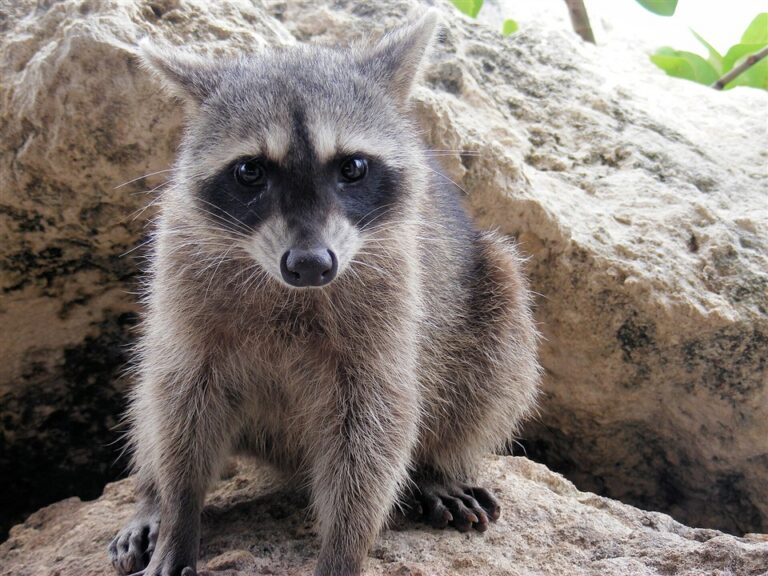
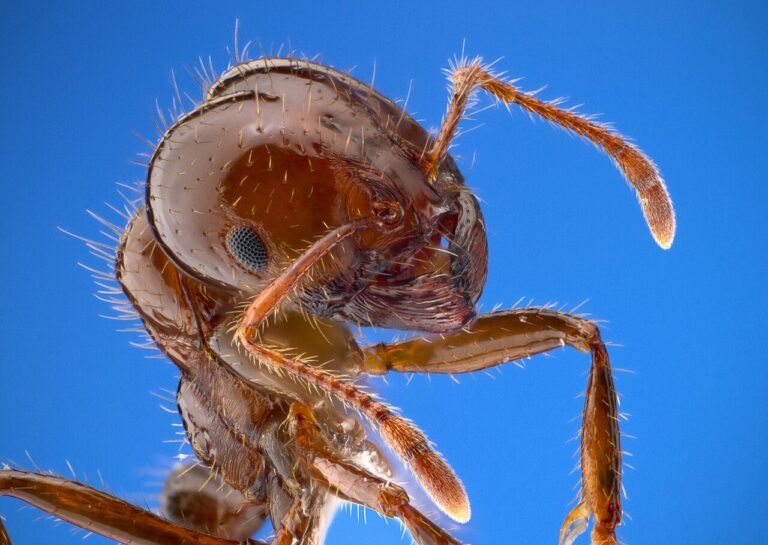
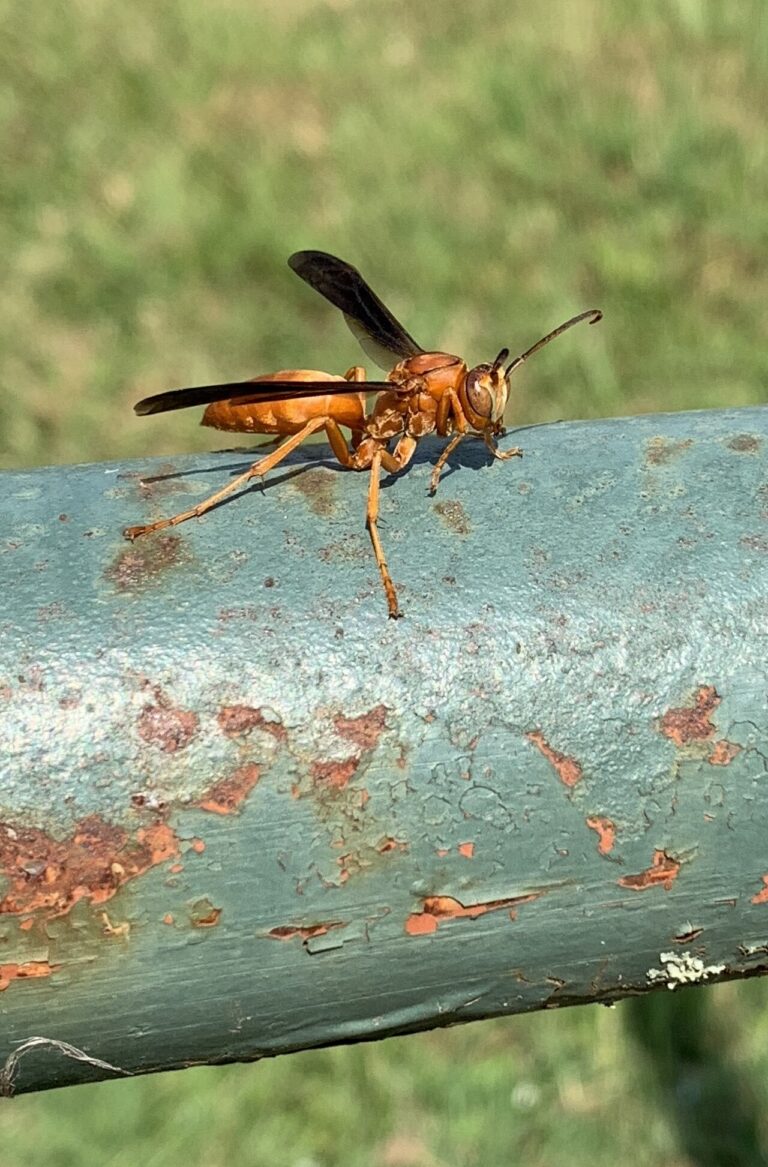
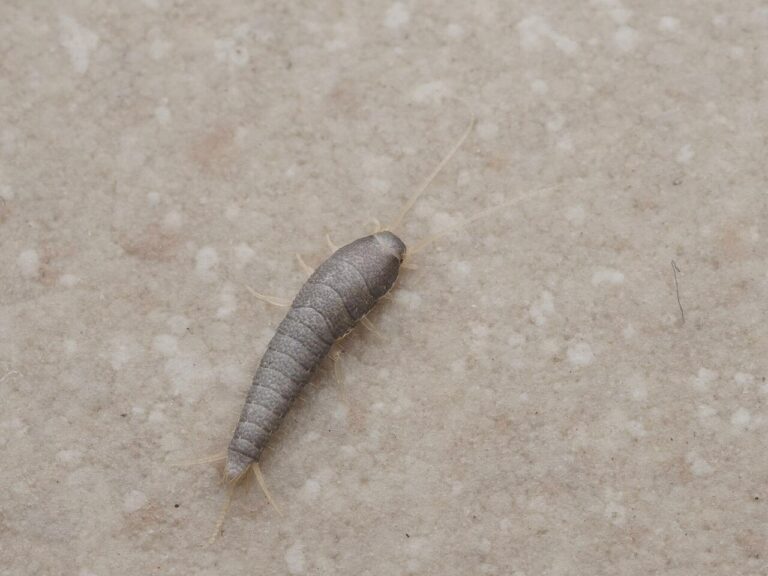
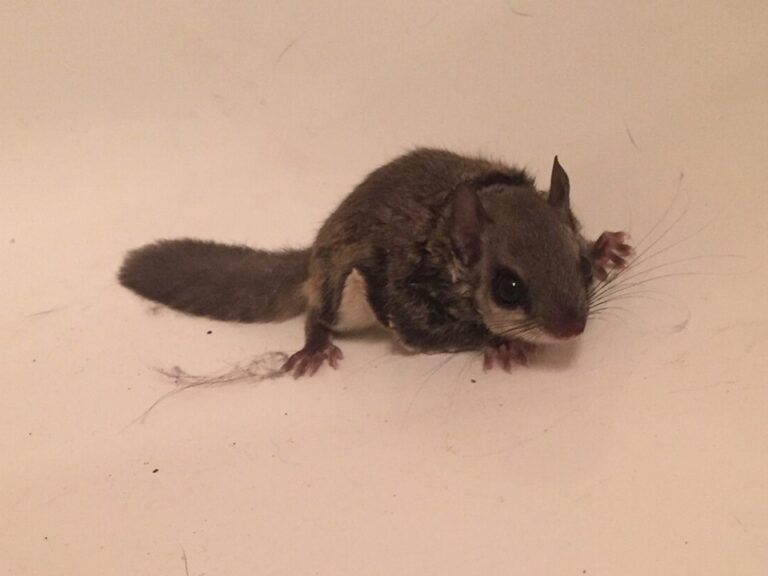
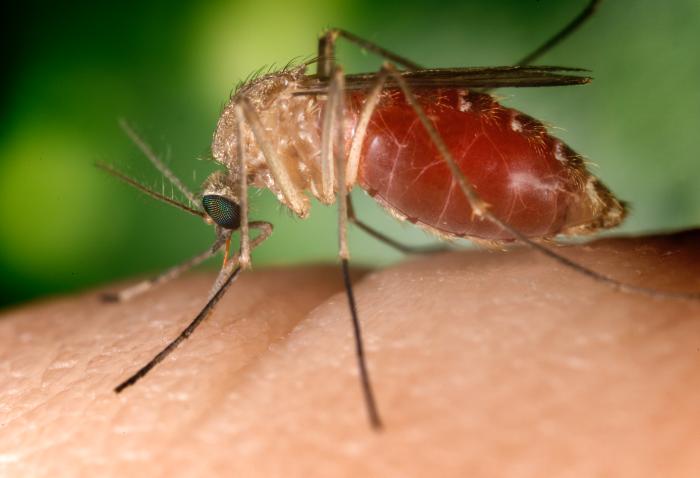
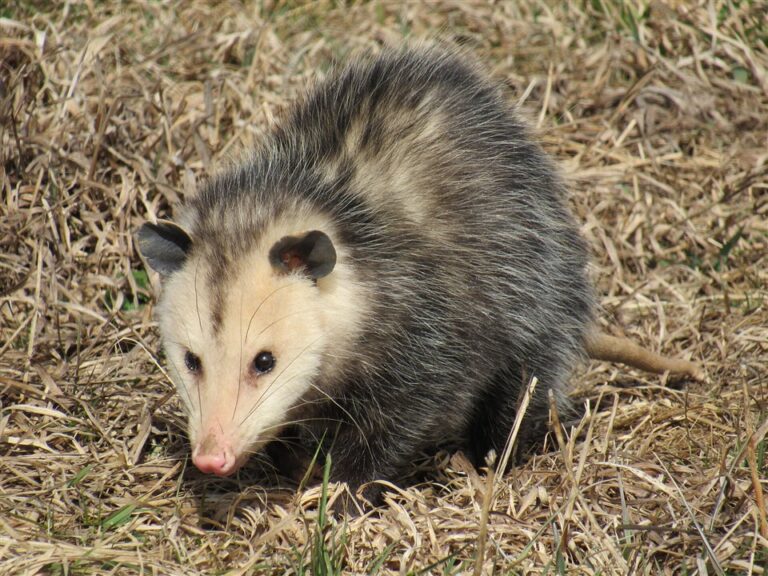
North Carolina & South Carolina Pest & Wildlife Identification Library Identify what you are seeing around your home or business, learn the signs of activity, and find out when to call a professional. Search field required with a minimum length of 3 characters Search All Pests & Wildlife A–Z Native Introduced Invasive Other / unassigned Introduced American Cockroach Periplaneta americana Large reddish-brown cockroaches are often associated with damp crawlspaces, drains, and other humid areas. They are sometimes called palmetto bugs. Identify & Prevent → Native American Dog Tick Dermacentor variabilis A tick encountered in grassy habitats that can attach to people and pets and transmit Rocky Mountain spotted fever. Identify & Prevent → Invasive Asian Tiger Mosquito Aedes albopictus A black-and-white striped daytime-biting mosquito that breeds in small containers of standing water. Identify & Prevent → Native Bald-Faced Hornet Dolichovespula maculata Black-and-white social wasps build large enclosed paper nests and can defend their colonies aggressively. Identify & Prevent → Native Big Brown Bat Eptesicus fuscus An insect-eating bat that sometimes roosts in attics or wall cavities; accumulated waste can create sanitation concerns. Identify & Prevent → Native Black Carpenter Ant Camponotus pennsylvanicus Carpenter ants excavate nesting galleries in wood, particularly damp or deteriorating material; unlike termites, they do not eat wood. Identify & Prevent → Native Brazilian Free-Tailed Bat Tadarida brasiliensis Fast-flying insectivorous bats can form large colonies, sometimes in buildings; exclusion requires careful timing and legal review. Identify & Prevent → Native Canada Goose Branta canadensis Waterfowl commonly use ponds, lawns, parks, and golf courses; concentrated groups can leave droppings and damage turf. Identify & Prevent → Widespread Cat Flea Ctenocephalides felis A common flea affecting cats and dogs. Eggs and immature stages can develop in bedding, carpets, and sheltered areas Identify & Prevent → Widespread human-associated Pest Common Bed Bug Cimex lectularius Flattened insects that feed on blood and hide in furniture seams and cracks. Signs include insects, shed skins, and dark spotting. Identify & Prevent → Native Eastern Carpenter Bee Xylocopa virginica Large pollinating bees excavate round nesting holes in exposed wood, including fascia, decks, and porch railings. Identify & Prevent → Native Eastern Copperhead Agkistrodon contortrix A venomous, well-camouflaged snake found around woodland edges and leaf litter; never attempt to handle or capture it. Identify & Prevent → Native Eastern Gray Squirrel Sciurus carolinensis Common tree squirrels can enter attics through damaged vents, soffits, and roof openings and may damage insulation or wiring. Identify & Prevent → Native Eastern Mole Scalopus aquaticus A tunneling insectivore that creates raised surface runs and soil mounds while searching for invertebrates. Identify & Prevent → Native Eastern Ratsnake Pantherophis alleghaniensis species complex A nonvenomous climbing snake that feeds on rodents and other prey and may enter sheds or garages. Identify & Prevent → Native Eastern Subterranean Termite Reticulitermes flavipes Underground termites that feed on structural wood. Look for mud tubes and discarded wings. Identify & Prevent → Native Eastern Yellowjacket Vespula maculifrons Social wasps often nest in soil or structural cavities and can sting repeatedly when defending their colonies. Identify & Prevent → Introduced European Starling Sturnus vulgaris An invasive bird that nests in vents and structural cavities; large roosts may create noise and sanitation issues. Identify & Prevent → Introduced Formosan Subterranean Termite Coptotermes formosanus Invasive termite that can form very large colonies where established. Identify & Prevent → Introduced German Cockroach Blattella germanica A rapidly reproducing indoor cockroach common in kitchens and bathrooms. Its allergens may worsen asthma symptoms. Identify & Prevent → Introduced House Mouse Mus musculus Small rodents enter through narrow gaps and may contaminate food, leave droppings, and gnaw stored materials or wiring. Identify & Prevent → Native Lone Star Tick Amblyomma americanum An aggressive tick found in vegetation and wooded areas; bites are associated with certain infections and alpha-gal syndrome. Identify & Prevent → Native North American Beaver Castor canadensis Semiaquatic rodents build dams and lodges; their activity can obstruct culverts, flood land, and damage trees. Identify & Prevent → Native Odorous House Ant Tapinoma sessile Small dark ants often forage indoors for sweets and moisture; crushed workers can produce a rotten-coconut-like odor. Identify & Prevent → Mixed species Origins Powderpost Beetles Lyctus spp. Wood-boring beetle larvae develop inside susceptible hardwoods. Small round exit holes and powder-like frass can signal activity. Identify & Prevent → Native Raccoon Procyon lotor Adaptable mammals may enter attics, chimneys, and crawlspaces, damaging building materials and leaving waste. Identify & Prevent → Invasive Red Imported Fire Ant Solenopsis invicta These ants build soil mounds in lawns and landscapes. Disturbed colonies may deliver multiple painful stings. Identify & Prevent → Native Red Paper Wasp Polistes carolina Reddish wasps build exposed paper nests beneath eaves and sheltered structures; they also prey on caterpillars. Identify & Prevent → Widespread Silverfish Lepisma saccharinum Wingless insects that favor humidity and may damage books, paper, stored materials, and starch-containing adhesives. Identify & Prevent → Native Southern Flying Squirrel Glaucomys volans Small nocturnal gliding squirrels may nest in attics and create nighttime scratching sounds. Identify & Prevent → Established Southern House Mosquito Culex quinquefasciatus A mosquito associated with stagnant water and dusk-to-night biting; relevant to West Nile virus surveillance. Identify & Prevent → Native Virginia Opossum Didelphis virginiana North America’s native marsupial may shelter beneath decks, sheds, or buildings and usually avoids confrontation. Identify & Prevent → YOUR PEST PROBLEM. OUR COMMAND. Protect your home or business with Pest Genie USA. 855-BUG-GENIESchedule now