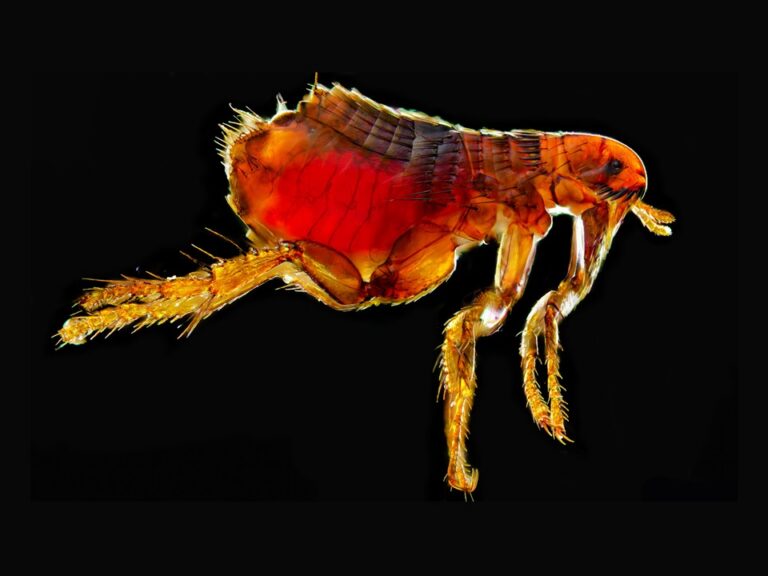
How to identify it
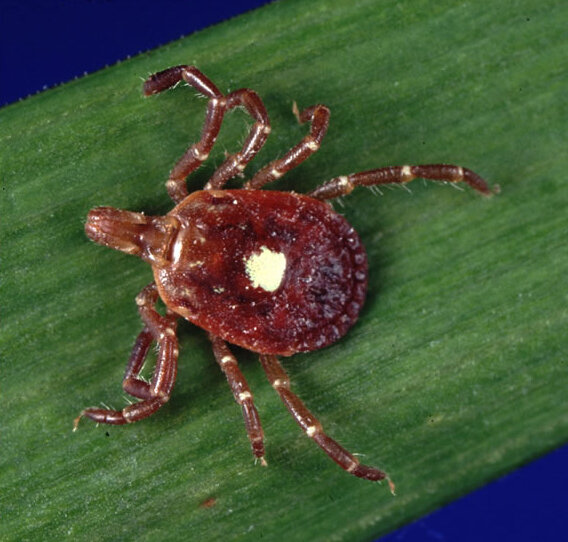
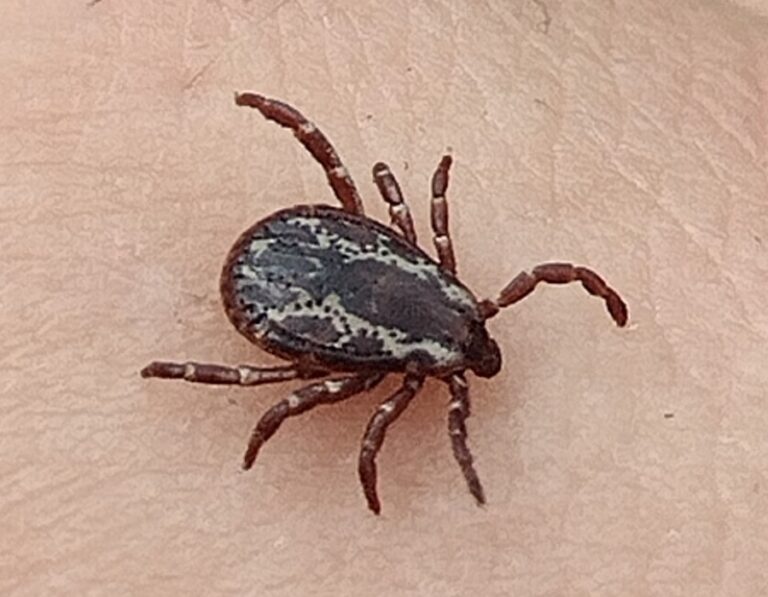
The lone star tick (Amblyomma americanum) is native to the eastern United States and is established in North and South Carolina. Adult females are reddish brown with a single white spot on the back. Males may have pale marks around the edges, and the much smaller young ticks lack the female’s distinctive spot.
Signs of activity
Check for ticks on skin, clothing and pets after time in wooded areas, tall grass, brush or leaf litter. Lone star ticks actively seek a host, and bites can go unnoticed. Repeated encounters near a shady trail or brushy yard edge can point to an area worth inspecting.
Potential concerns
Lone star ticks can transmit infections such as ehrlichiosis. Their bites are also linked to alpha-gal syndrome, an allergy that can cause reactions to red meat and some other products from mammals. Seek medical advice if you develop fever, a rash or other new symptoms after a tick bite.
Prevention tips
Reduce tick encounters around your home and when spending time outdoors.
- Clear leaf litter and brush near patios, play areas and paths. Keep grass trimmed near regularly used areas.
- Stay near the center of trails and use an EPA-registered repellent according to the label.
- Check your body, clothing and pets after outdoor activity. Shower soon after coming indoors.
When to call a professional
If you keep finding ticks near the home, on pets or in the same part of the yard, schedule an inspection with Pest Genie USA. An inspection can help identify likely tick habitat and practical steps for reducing exposure on your property.