
Eastern Yellowjacket
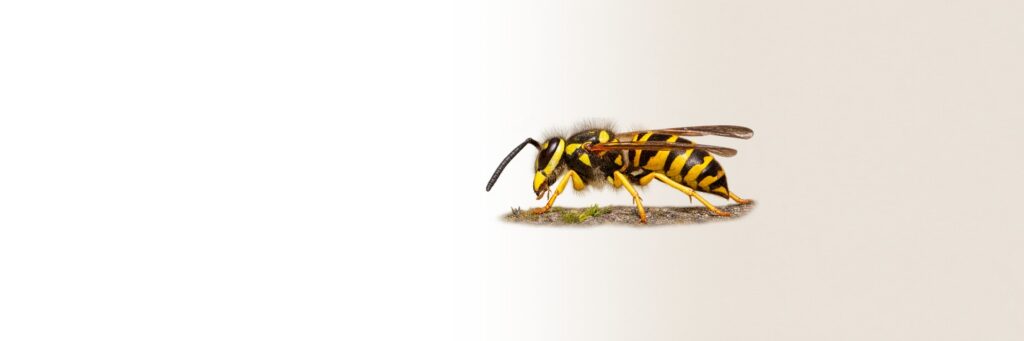
Social wasps often nest in soil or structural cavities and can sting repeatedly when defending their colonies.
Read MoreOdorous House Ant
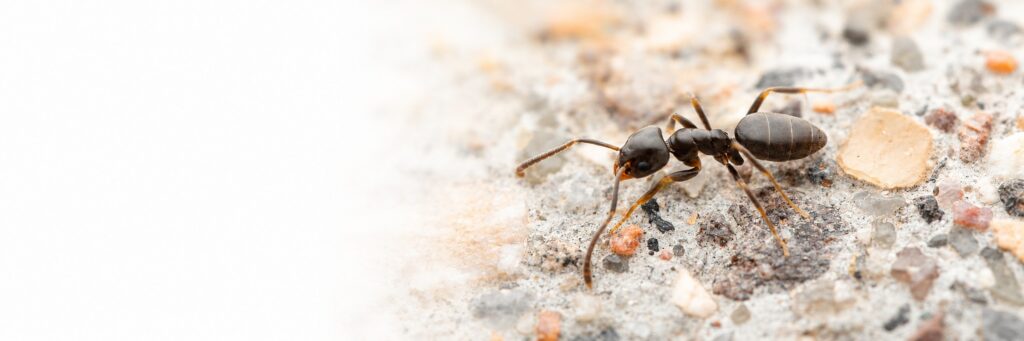
Small dark ants often forage indoors for sweets and moisture; crushed workers can produce a rotten-coconut-like odor.
Read MoreRed Imported Fire Ant
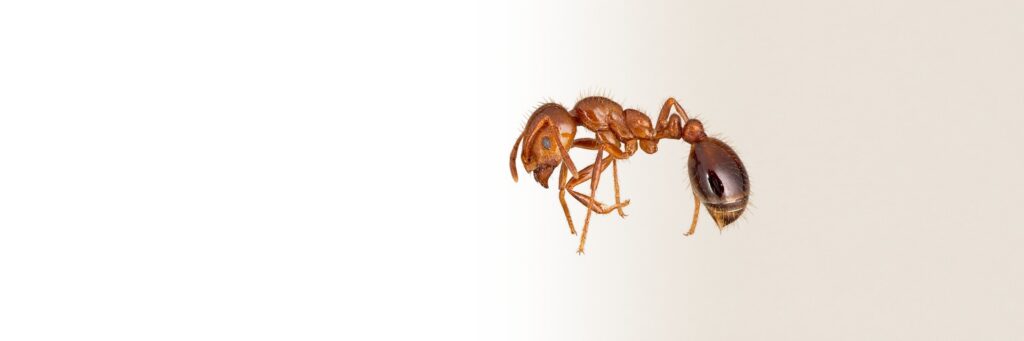
These ants build soil mounds in lawns and landscapes. Disturbed colonies may deliver multiple painful stings.
Read MoreSilverfish
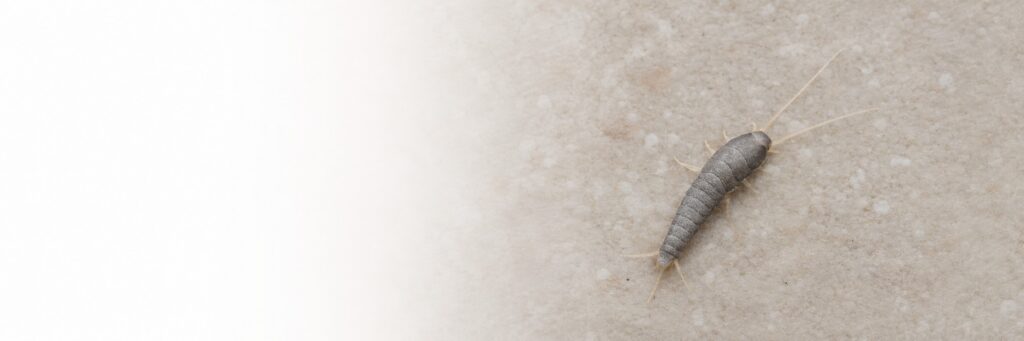
Wingless insects that favor humidity and may damage books, paper, stored materials, and starch-containing adhesives.
Read MoreCommon Bed Bug
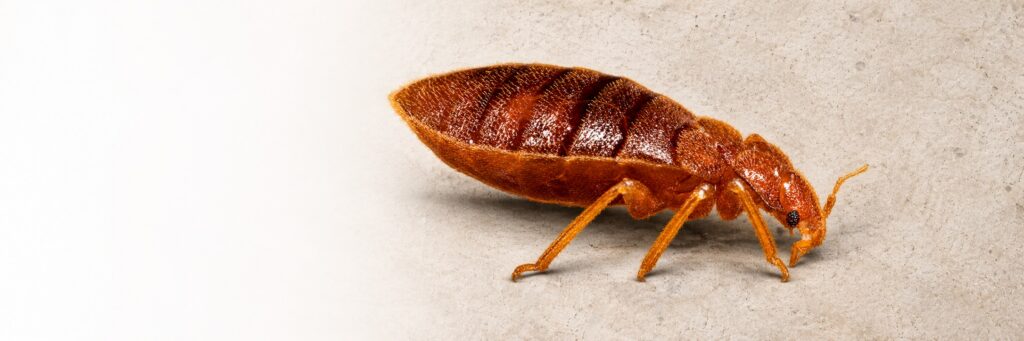
Flattened insects that feed on blood and hide in furniture seams and cracks. Signs include insects, shed skins, and dark spotting.
Read MoreGerman Cockroach
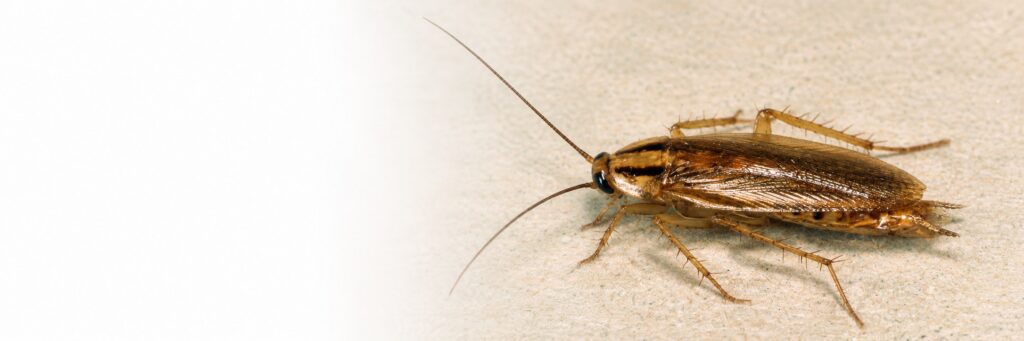
A rapidly reproducing indoor cockroach common in kitchens and bathrooms. Its allergens may worsen asthma symptoms.
Read MoreAmerican Cockroach
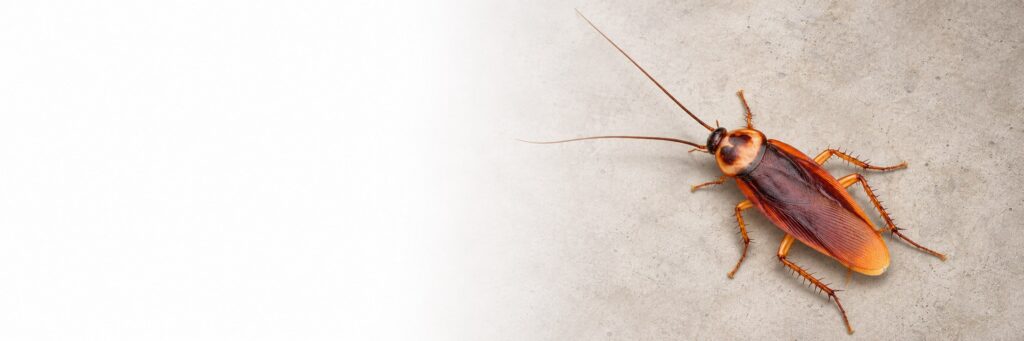
Large reddish-brown cockroaches are often associated with damp crawlspaces, drains, and other humid areas. They are sometimes called palmetto bugs.
Read MorePowderpost Beetles
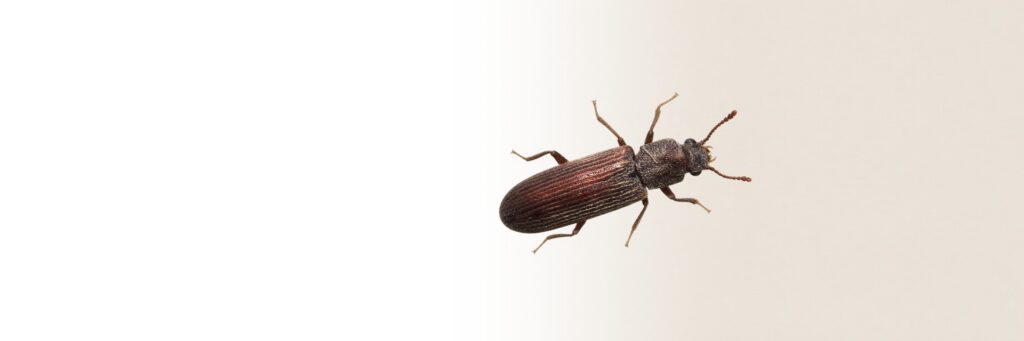
Wood-boring beetle larvae develop inside susceptible hardwoods. Small round exit holes and powder-like frass can signal activity.
Read MoreEastern Carpenter Bee

Large pollinating bees excavate round nesting holes in exposed wood, including fascia, decks, and porch railings.
Read MoreBlack Carpenter Ant
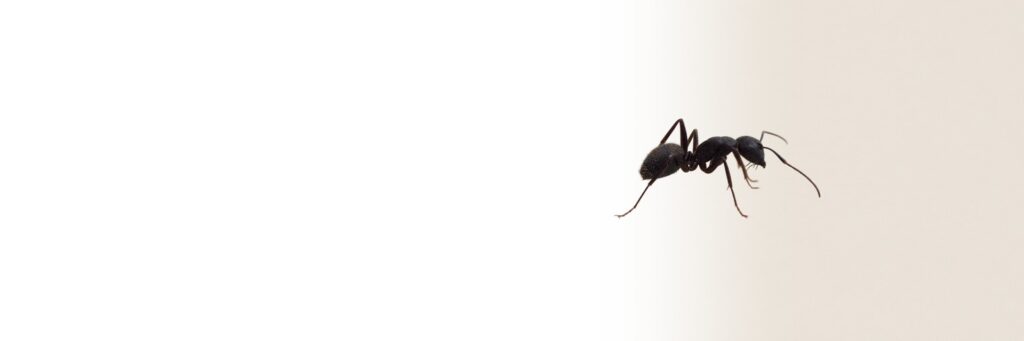
Carpenter ants excavate nesting galleries in wood, particularly damp or deteriorating material; unlike termites, they do not eat wood.
Read More