How to identify it
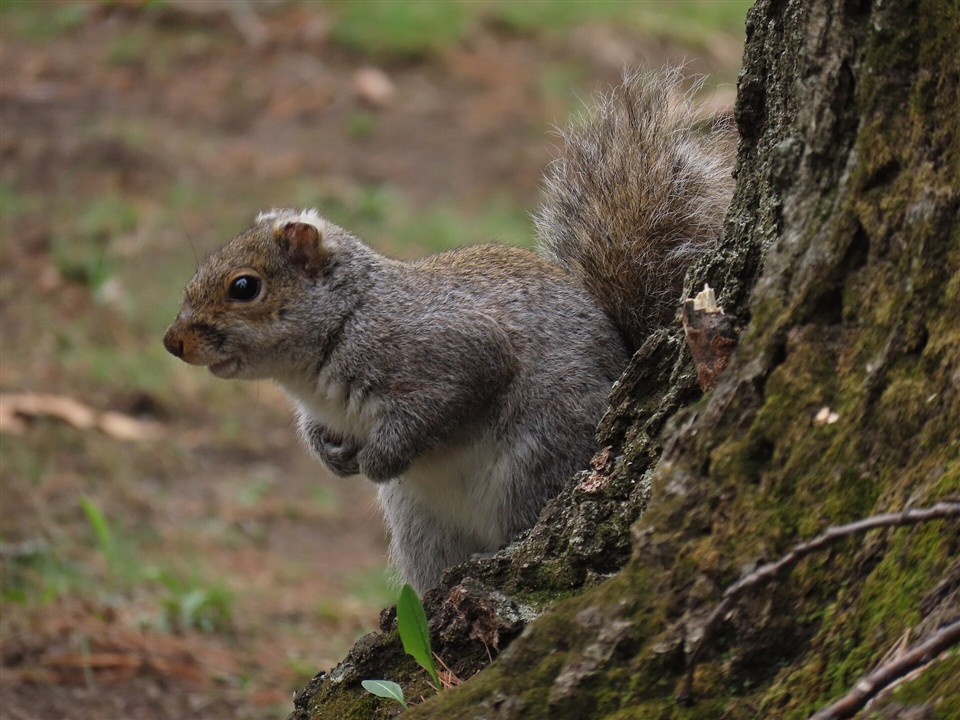
The Eastern gray squirrel (Sciurus carolinensis) is a native tree squirrel found in North and South Carolina. It typically has gray fur, a pale underside, and a long, bushy tail. You may see one climbing trees, crossing a roof, or searching for nuts and seeds during daylight.
Signs of activity
- Scurrying, scratching, or chewing sounds above the ceiling, especially in the morning or late afternoon.
- Gnawed edges or gaps around a roof vent, soffit, fascia board, or other opening along the roofline.
- A squirrel repeatedly entering or leaving the same opening, or nesting material and disturbed insulation near an entry point.
Potential concerns
Squirrels can tear or compress insulation while nesting and gnaw wood, vent materials, or wiring. Damaged wiring can be a fire hazard. If you see chewed wires, keep away from the area and arrange an inspection by a qualified electrician.
Prevention tips
- Check vents, soffits, fascia, and roof edges for damage and repair gaps after you confirm that the space is empty.
- Keep branches trimmed back from the roof where practical, and clear spilled seed beneath bird feeders.
- Maintain screens and vent covers designed to keep wildlife out while preserving airflow.
When to call a professional
Schedule a Pest Genie USA inspection if you hear recurring attic activity, find gnaw damage, or see a squirrel using a roof opening. Leave any active entrance open until a professional checks for squirrels and dependent young. Once the space is clear, the technician can recommend repairs to help prevent reentry.