Eastern Copperhead
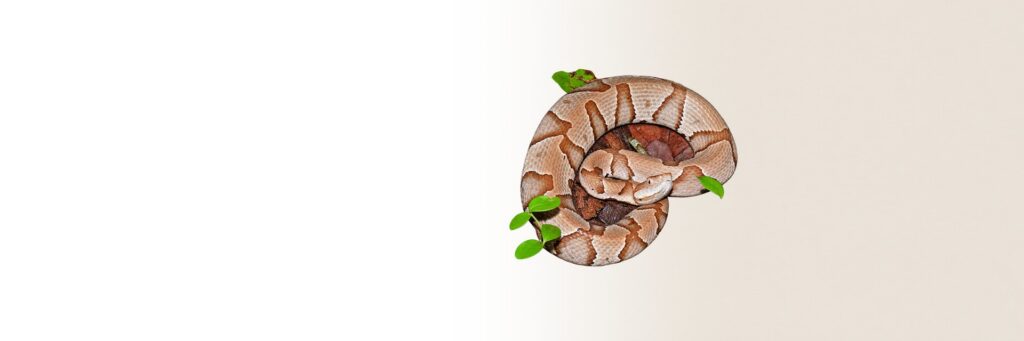
A venomous, well-camouflaged snake found around woodland edges and leaf litter; never attempt to handle or capture it.
Read MoreEastern Ratsnake
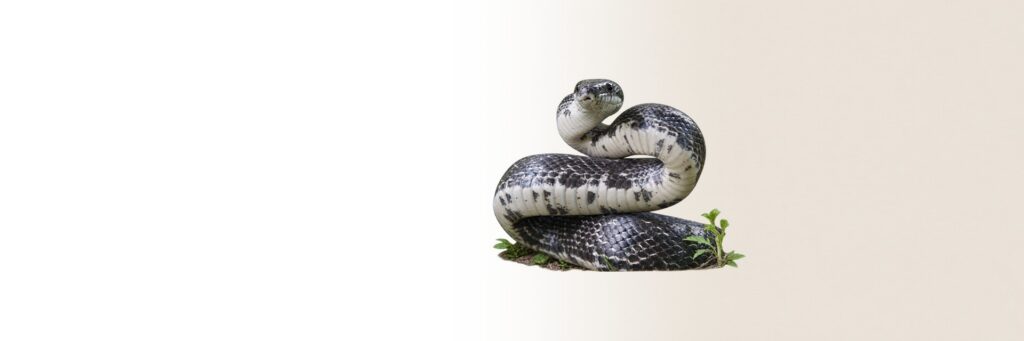
A nonvenomous climbing snake that feeds on rodents and other prey and may enter sheds or garages.
Read MoreCanada Goose
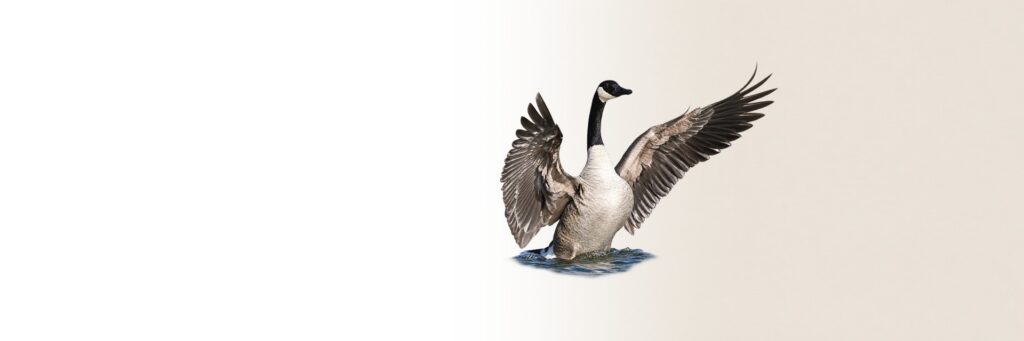
Waterfowl commonly use ponds, lawns, parks, and golf courses; concentrated groups can leave droppings and damage turf.
Read MoreEuropean Starling
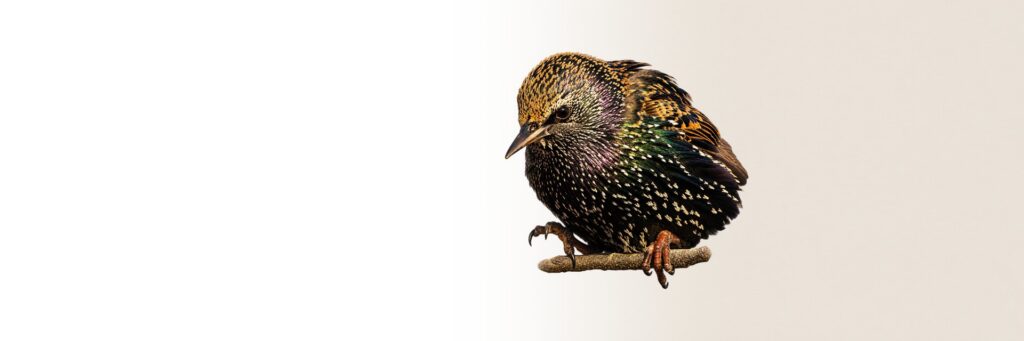
An invasive bird that nests in vents and structural cavities; large roosts may create noise and sanitation issues.
Read MoreBrazilian Free-Tailed Bat
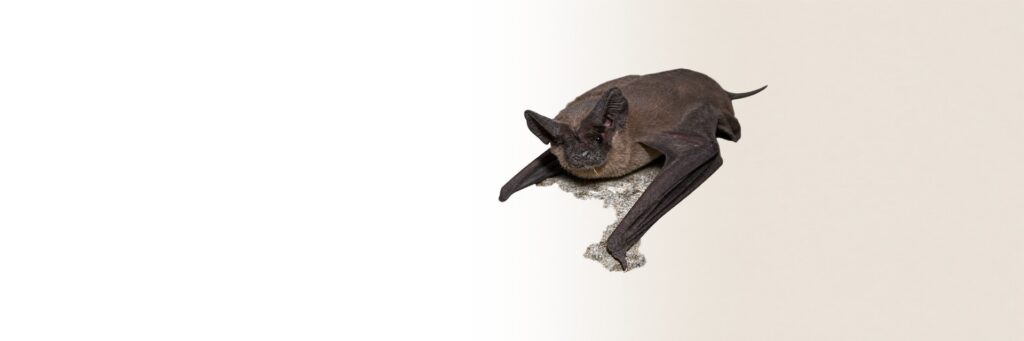
Fast-flying insectivorous bats can form large colonies, sometimes in buildings; exclusion requires careful timing and legal review.
Read MoreBig Brown Bat
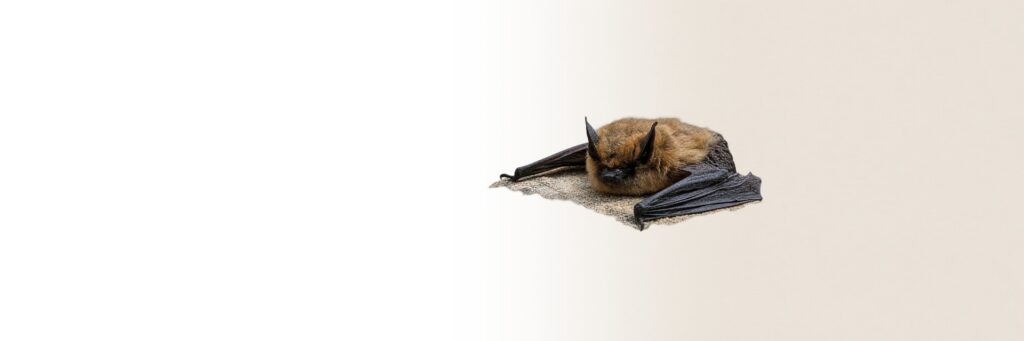
An insect-eating bat that sometimes roosts in attics or wall cavities; accumulated waste can create sanitation concerns.
Read MoreNorth American Beaver
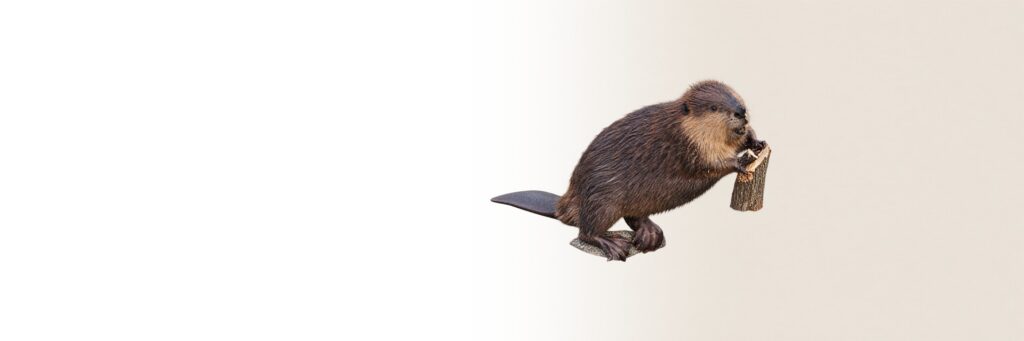
Semiaquatic rodents build dams and lodges; their activity can obstruct culverts, flood land, and damage trees.
Read MoreHouse Mouse
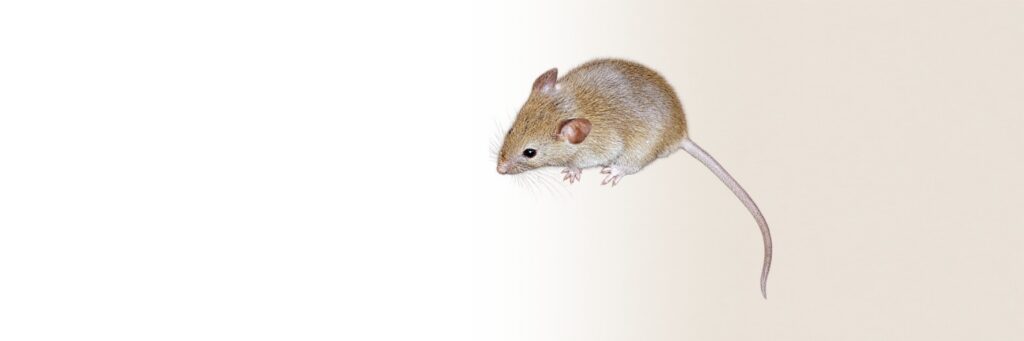
Small rodents enter through narrow gaps and may contaminate food, leave droppings, and gnaw stored materials or wiring.
Read MoreEastern Mole
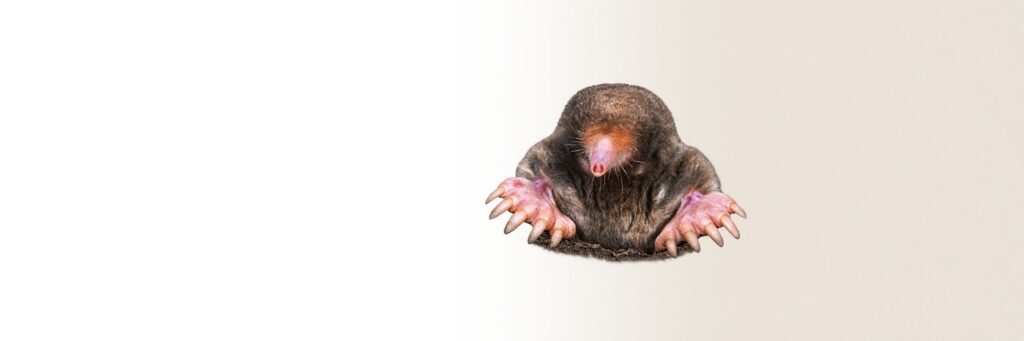
A tunneling insectivore that creates raised surface runs and soil mounds while searching for invertebrates.
Read MoreVirginia Opossum
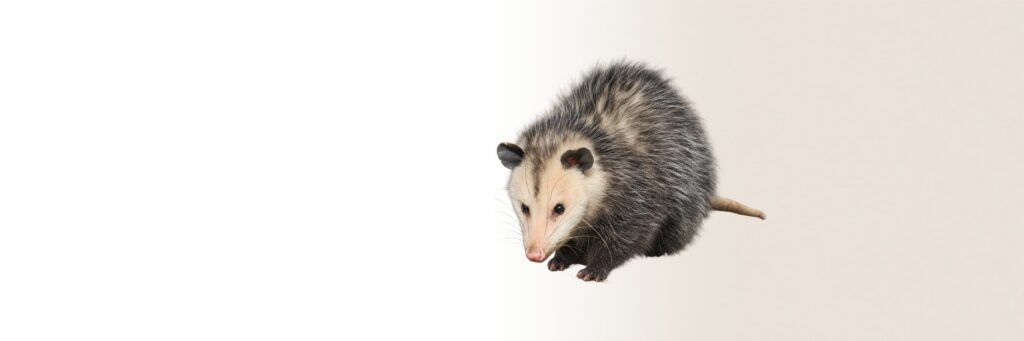
North America’s native marsupial may shelter beneath decks, sheds, or buildings and usually avoids confrontation.
Read More